

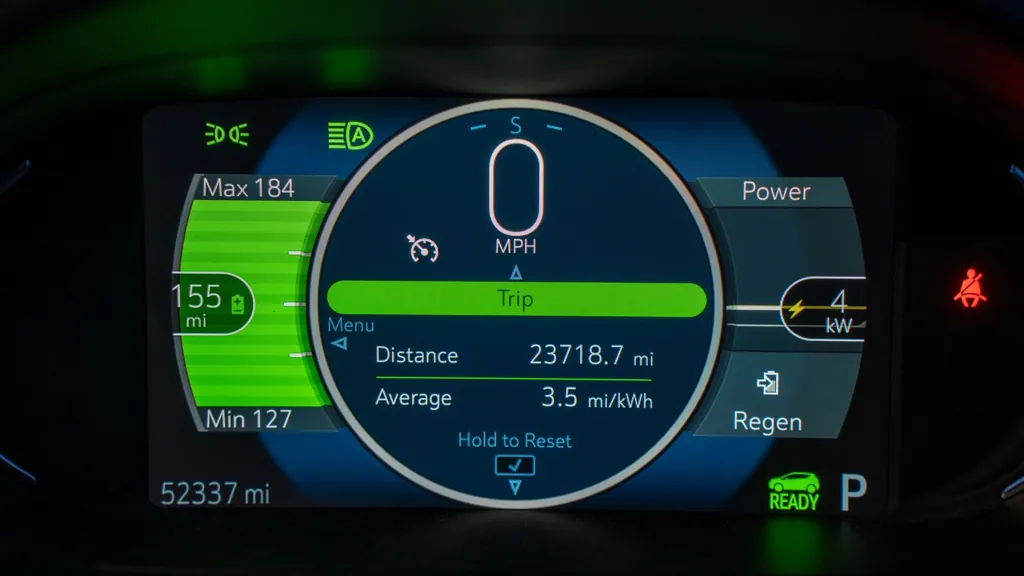
Range anxiety is the worry that an electric car will run out of charge before you reach a charger. Almost every new EV driver feels it at some point, and it is nothing to be embarrassed about. You are learning a new way of thinking about fuel, and the gauge on the dashboard behaves differently from the one in a petrol car. The good news is that range anxiety fades quickly once you understand how range works and build a few simple habits.
This guide is practical rather than theoretical. It explains what range really means, why the dashboard figure moves up and down, how to plan a trip without stress, and what to do on the rare day when the numbers look tight. If you are still learning the basics, start with Electric Cars Explained, then come back here for the driving habits that turn worry into routine.
What Range Really Means
Range is the distance a car can travel on the energy left in its battery. The figure on the dashboard is an estimate, not a promise, because it is based on recent driving, the temperature, and the energy used by heating or cooling. A driver who has just driven gently on a flat road will see a higher figure than a driver who has just driven fast uphill in cold weather. Both figures are honest. They simply reflect different conditions.
The range shown when the car is new is measured in test conditions that are hard to match in real life. That test figure is useful for comparing cars, but it is not the distance you will get on every trip. Real world range changes with speed, weather, load, and the way you drive. A car that shows a high range on a warm day may show less on a cold morning, and that change is normal. Learning to read the figure as a guide rather than a guarantee is the first step to driving without worry.
Why the Dashboard Figure Moves
Many drivers are surprised when the range figure drops faster than the miles they have driven, or when it rises after a downhill stretch. Both are normal. The car recalculates constantly, and it uses recent energy use to predict what comes next. If you drive fast on a motorway, energy use rises and the predicted range falls. If you slow down in town, energy use falls and the predicted range rises. Regenerative braking adds a small amount of energy back when you slow down, which can also lift the figure on a downhill road.
Daily Driving Without Worry
For daily driving, range anxiety is usually a habit problem rather than a car problem. Most drivers cover a modest distance each day, and most modern EVs can cover several days of normal driving on one charge. The worry comes from treating the car like a petrol car, where you wait until the tank is nearly empty and then fill it. An EV works better the other way round. Charge a little and often, top up at home overnight, and start each day with a useful amount of energy in the battery.
A simple routine removes most of the stress. Plug in at home when you get back, set the car to charge overnight, and leave in the morning with the battery where you want it. If you cannot charge at home, find a reliable charger near your home or your work and build it into your week. After a few weeks, the routine becomes automatic, and the range figure stops being something you check every few minutes. Your first year will teach you the rest, and Your First Year With an EV sets out what that year usually looks like, month by month.
Planning a Longer Trip
Longer trips need a plan, but the plan does not need to be complicated. Before you set off, look at the route and find two charging stops, a main one and a backup a little further along the road. Check that both chargers are working and that they have the connector your car needs. Start the trip with a good charge, and aim to arrive at the first charger with a comfortable margin rather than cutting it fine.
During the trip, charge to around 80 percent at each stop and then move on, because the last part of a charge is slow and the time is better spent driving. Take a break while the car charges, and use that time to stretch, eat, and check the next stop. If a charger is busy or out of service, the backup stop saves the trip from becoming stressful. A charging app on your phone makes this easy, because it shows live availability and lets you plan the next stop while you are still driving to the current one.
Driving Habits That Stretch Range
Speed is the biggest factor you control. Driving fast on a motorway uses far more energy than driving at a steady moderate speed, because air resistance rises sharply as speed rises. Slowing down a little on a long trip can add a useful amount of range, and it often costs only a few minutes of travel time. Smooth driving helps too. Gentle acceleration and early braking let regenerative braking recover energy, while hard acceleration and late braking waste it.
Preheating or precooling the car while it is still plugged in is another useful habit. The energy for warming or cooling comes from the charger rather than the battery, so you start the trip with a full battery and a comfortable cabin. Removing roof boxes and heavy items you do not need also helps, because extra weight and wind resistance both use energy. None of these habits needs to become an obsession. Together, they give you a comfortable margin on the days when the numbers look tight.
What to Do If Range Gets Tight
On a rare day, the numbers may still look tight, and it helps to know what to do. Slow down gently, turn off heating or cooling if you can do so safely, and head for the nearest charger rather than the one you had planned. Use the car navigation to find a charger, because it will often show the closest options and the distance to each one. If the car has an eco driving mode, switch it on, because it softens acceleration and reduces energy use from heating and cooling.
Conclusion
Range anxiety is a normal part of learning to drive an electric car, and it fades with experience. Read the range figure as a guide, charge a little and often, plan longer trips with a main stop and a backup, and drive smoothly at a steady speed. Do those things for a few weeks, and the worry that once filled every trip will shrink to a quiet check before you set off. Some claims about EVs still cause confusion, and the EV Myths Debunked guide separates the claims that hold up from the ones that do not, so you can drive with facts rather than fear.
What is EV range anxiety
Range anxiety is the worry that an electric car will run out of charge before reaching a charger. It is common for new drivers and it usually fades once you learn how range works and build a simple charging routine.
Why does my EV range figure keep changing
The dashboard range is an estimate based on recent driving, speed, temperature, and heating or cooling use. It rises and falls as conditions change, so read it as a guide and check the battery percentage too.
How do I plan an EV road trip without worry
Find a main charging stop and a backup further along the route, check both are working and have the right connector, start with a good charge, and charge to around 80 percent at each stop.
What should I do if my EV battery gets very low
Slow down gently, switch off heating or cooling if safe to do so, use eco mode if your car has one, and head for the nearest charger. Treat the first low battery warning as a prompt to find a charger.
