
Home charging is the single biggest advantage of owning an electric car. Instead of visiting a fuel station, you plug in at night and wake up to a full battery, and the electricity usually costs far less per distance than petrol. Yet many buyers put off thinking about home charging until after they have bought the car, and that is when problems appear. A slow socket, an unsuitable electrical supply, or a charger in the wrong place can turn a simple habit into a daily frustration. This guide covers the charger types, the installation process, the costs and the smart habits that make home charging cheap and effortless from day one.
Your three home charging options
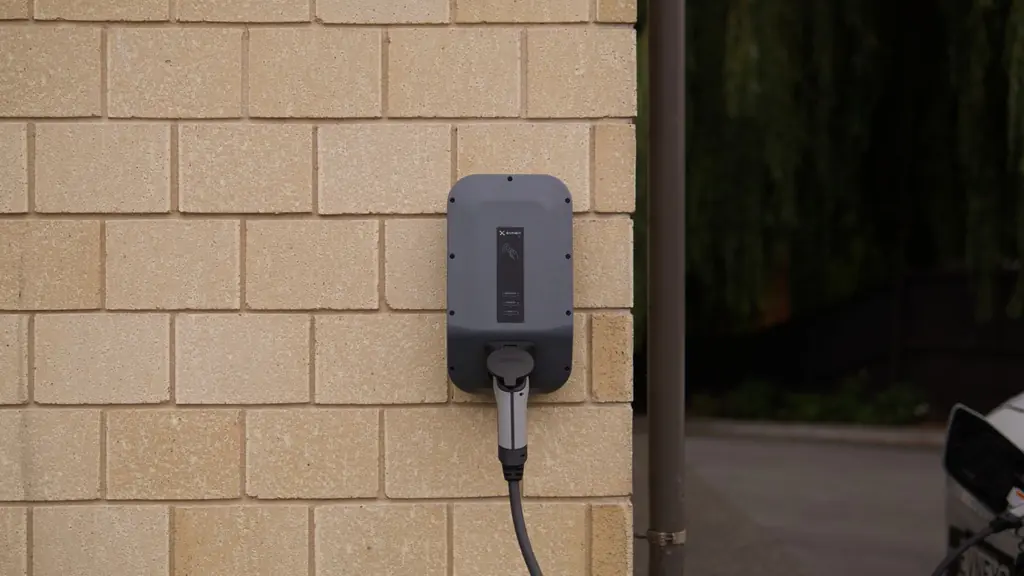
There are three ways to charge at home. The slowest is a standard household socket, using the portable cable that usually comes with the car. It works, and it is useful as a backup, but it is very slow, often adding only a small amount of range per hour, so it suits only drivers with very low daily mileage or a plug in hybrid with a small battery. The second option is a dedicated home charger, usually called a wallbox, installed on the wall of your garage or beside your driveway. This charges several times faster than a socket and is the standard choice for most EV owners. The third option is a faster home charger on a higher power supply, which suits larger batteries and households with two EVs, though it needs a suitable electrical supply and costs more to install.
How fast is home charging in practice
Home charging speed is measured in kilowatts, and the car, the charger and the home electrical supply all set the limit. A standard socket delivers only a small amount of power, a typical wallbox delivers several times more, and the car itself has a maximum AC charging rate that caps what it can accept, so buying a faster charger than your car can use adds no benefit. In practice, a wallbox will comfortably refill a typical daily distance in a few hours overnight, and a full charge from nearly empty takes a night rather than an evening. That is more than enough for almost every driver, because the car sits parked at home for many hours each night anyway. The speed that matters is not the maximum, it is whether the car is full by morning, and for most drivers a standard wallbox achieves that easily.
Charging also slows as the battery fills, which is normal and protects the battery. The last part of a charge takes longer than the first part, so charging from twenty to eighty percent is much faster than charging from eighty to one hundred. For daily use, most manufacturers suggest keeping the battery in that middle range and saving full charges for long trips. Our beginner guide to electric cars explained, a complete beginner guide to buying and owning an EV explains battery care and charging habits in plain language if you want the full background.
Installation, what to expect
Installation starts with a survey, either in person or with photos of your electrical panel, your parking spot and the cable route between them. The installer checks whether your home electrical supply can support a charger, whether the panel needs an upgrade, and where the charger should sit for the shortest, neatest cable run. Most installations in homes with a modern electrical supply are straightforward and take a few hours. Older homes, long cable runs, or a supply that needs upgrading can add time and cost, so get the survey done before you buy the car if you can, rather than discovering a problem on delivery day.
What home charging costs
Home charging costs have two parts, the charger and installation, and the electricity itself. Installation costs vary with the charger model, the cable run and whether your electrical supply needs work, so quotes can differ widely between homes. The electricity cost depends on your tariff, and this is where the biggest savings hide. Many energy suppliers offer an overnight rate for EV charging that is far cheaper than the daytime rate, and scheduling the car to charge in those hours can cut your charging bill sharply. A smart charger or the car own scheduling can handle this automatically, so you plug in when you get home and the charging starts later, when power is cheapest.
Compared with public charging, home charging is almost always cheaper, often by a wide margin, because public fast chargers carry higher prices to cover their equipment and running costs. That price gap is the main reason home charging matters so much to total running costs. If you want to compare the two properly, our guide to public charging networks and apps, how to find and pay covers public charger types, pricing and payment, so you can see the full picture before you decide how you will charge.
Smart charging and saving money
Smart charging means letting the charger or the car decide when to charge, based on price, your departure time and how much charge you need. Set your departure time and the charge level you want, plug in, and the system works out the cheapest hours to use. Some tariffs and chargers can also pause charging when demand on the grid is high, which can earn you a lower rate. If you have solar panels, a smart charger can use spare solar power during the day instead of sending it to the grid, which cuts charging costs further and makes good use of energy you already generate.
A few simple habits help too. Charge overnight on a cheap rate where one is available, keep the battery in the middle range for daily use, and preheat or precool the car while it is still plugged in, so the cabin is comfortable on mains power rather than battery. Check your charging app occasionally to see how much energy you use and what it costs, since that helps you spot a tariff that no longer suits you. For drivers who travel often, planning charging stops is a separate skill, and our guide to EV road trip planning, charging stops range and backup plans covers how to plan long journeys with confidence.
Conclusion
Home charging turns an EV from a car you refuel into a car that is simply ready every morning. A dedicated wallbox, installed by a qualified professional, charged overnight on a cheap rate, is the setup most owners settle on, and it is usually the cheapest and most convenient way to run an electric car. Get the survey done before you buy, compare quotes, set up smart scheduling, and use the cheap overnight hours. If home charging is not possible for you, check workplace and nearby public charging carefully before committing, because charging access shapes daily life with an EV more than any other single factor.
How much does a home EV charger cost to install
Installation cost varies with the charger model, the cable run and whether your electrical supply needs upgrading. Get quotes from more than one certified installer, and get a survey done before you buy the car so there are no surprises on delivery day.
Can I charge my EV from a normal household socket
Yes, a standard socket works with the portable cable supplied with most cars, but it is very slow and is best kept as a backup. A dedicated wallbox charges several times faster and is safer for daily overnight use, so most owners install one.
Is home charging cheaper than public charging
Home charging is almost always cheaper than public charging, especially on an overnight rate, because public fast chargers carry higher prices. The gap is large enough that home charging is one of the main running cost advantages of owning an EV.
Do I need a smart charger for my EV
A smart charger is not essential, but it makes life easier and cheaper. It can schedule charging for cheap overnight hours, track your energy use and work with solar panels. Most modern cars also have scheduling built in, so check what your car already offers.
