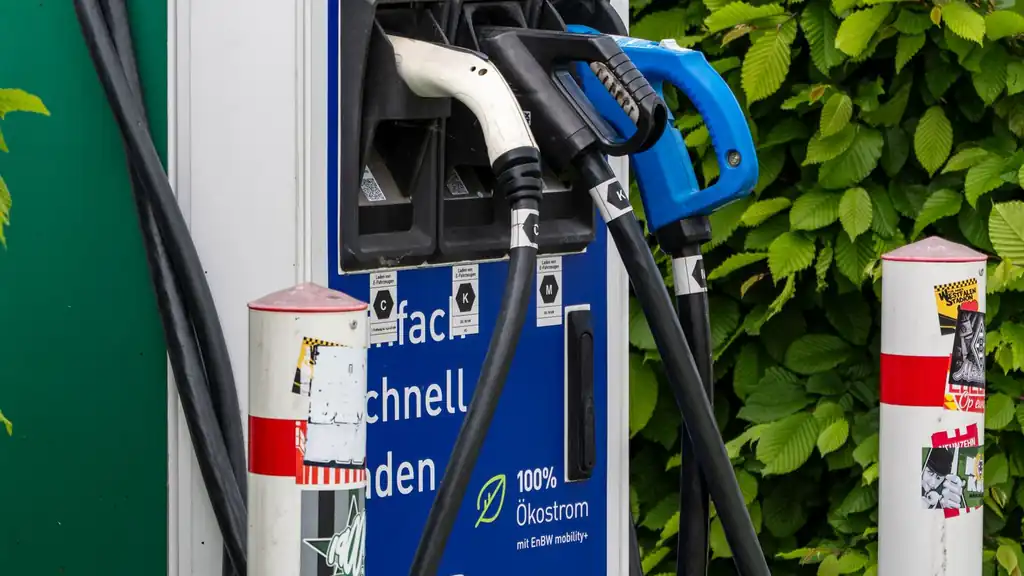
Public Charging Networks and Apps, How to Find and Pay
Public charging is the part of EV ownership that worries new drivers most, and it is also the part that improves fastest. A few years ago, public chargers were rare, slow and hard to pay for. Today, most towns have a growing number of chargers, motorways have fast charging hubs, and apps show live availability before you arrive. The system is still less simple than a petrol station, with different networks, speeds and payment methods, but once you understand the basics, it becomes routine. This guide explains how to find chargers, what the different speeds mean, how payment works, and how to avoid the common frustrations.
The two types of public charger
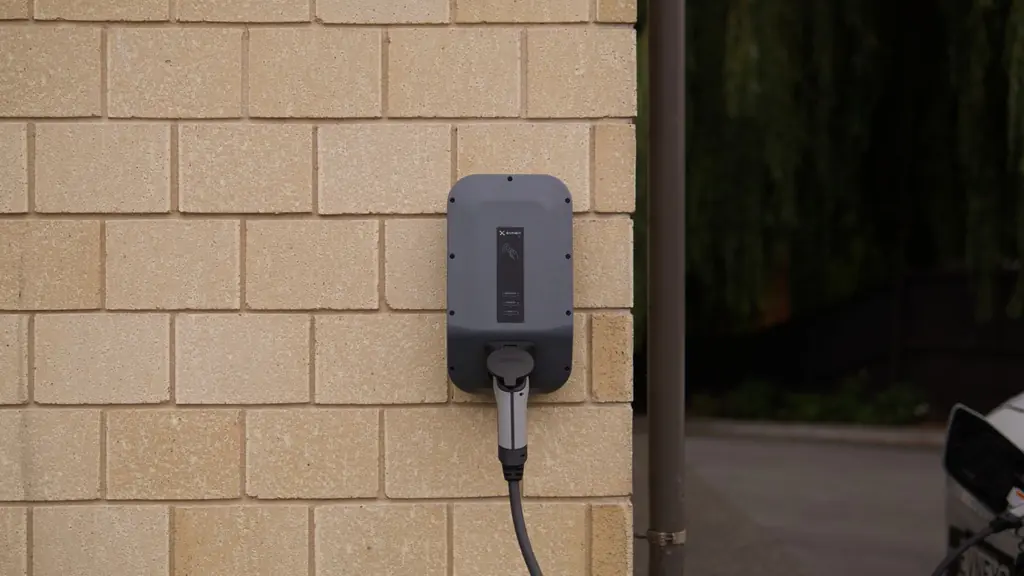
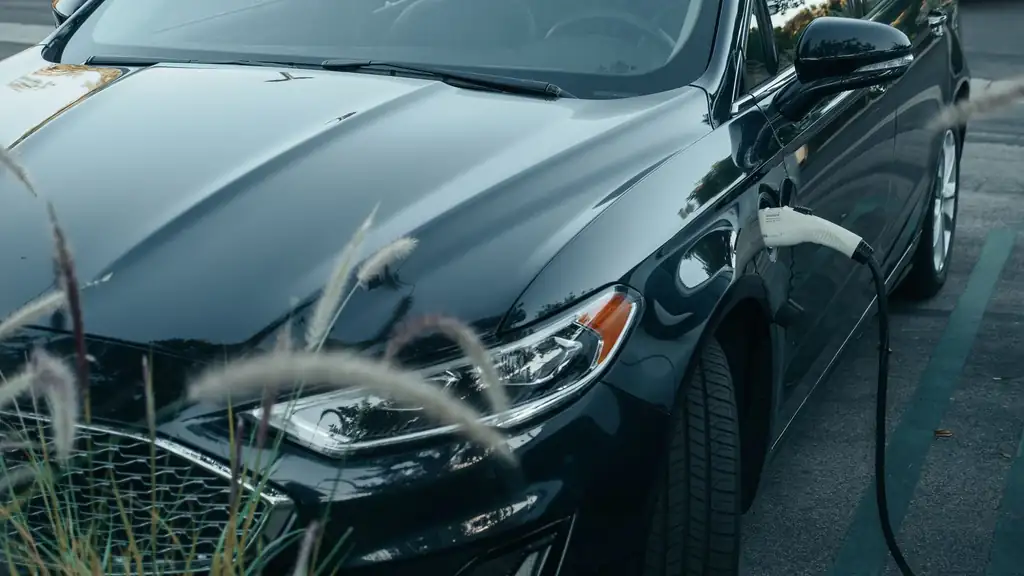
Public chargers come in two broad types. AC chargers, also called slow or medium chargers, deliver power at a modest rate and suit stops of a few hours, such as at work, a car park, a shopping centre or a hotel overnight. They are the most common type and the cheapest to use, but they will not refill a nearly empty battery quickly. DC fast chargers, often called rapid chargers, deliver power at a much higher rate and can add a large amount of range in the time it takes to have a coffee. They are found mainly on motorways, main roads and dedicated charging hubs, and they cost more per unit of energy because the equipment is expensive to install and run.
Your car sets the limit on how fast it can charge. Every EV has a maximum AC charging rate and a maximum DC charging rate, and using a faster charger than your car can accept adds no benefit. Charging also slows as the battery fills, so the fastest charging happens when the battery is low, and the last part of a charge takes longer. For daily life this matters little, since most charging happens at home overnight, but on a long trip it shapes how you plan stops. For the full background on how EVs work and how charging fits into ownership, read our guide to electric cars explained, a complete beginner guide to buying and owning an EV.
How to find a charger
Charging apps and maps are the main tool for finding a public charger. The most useful ones show chargers on a map with their speed, connector type, live availability, price and recent user reports, so you can see whether a charger is working before you drive to it. Your car own navigation system may also plan charging stops on long routes, choosing chargers that fit your battery level and destination. It is worth having two or three apps on your phone, because no single app covers every network, and coverage varies by region. Before a long trip, check the chargers on your route in advance, note a backup at each stop, and check again shortly before you arrive.
How payment works
Payment is the most confusing part of public charging, because there is no single system. Some chargers accept contactless bank cards, which is the simplest option where available. Others need an app or an RFID card from that network, and some networks offer a subscription that lowers the price per unit of energy in exchange for a monthly fee. Roaming services let one app or card work across several networks, which reduces the number of accounts you need, though the price can be slightly higher than paying the network directly. The practical approach is to carry a contactless card, install the apps for the two or three networks you use most, and keep one roaming card as a backup.
What to do when a charger is busy or broken
Even a good network has bad days. A charger can be out of service, occupied by another car, or slower than expected because of cold weather or a nearly full battery. The best defence is a backup plan. On any long trip, know the next charger after your planned stop, and keep enough reserve to reach it. If a charger fails to start, try a different cable or bay, restart the session in the app, or call the number printed on the charger, since operators can often reset a unit remotely. User reports in charging apps are useful here, because they show recent successes and failures at each location, and a charger with a string of recent failures is one to avoid.
Busy chargers are a different problem, especially at peak holiday times. Charging takes longer than refuelling, so a queue can form quickly at a popular site. Charging hubs with many bays are less likely to have a queue than a site with one or two chargers, so prefer them on busy days. Arriving with a lower battery and leaving at around eighty percent also helps everyone, because charging slows sharply above that level, and the time you save by leaving early is often greater than the range you lose. Planning a trip well is a skill in itself, and our guide to EV road trip planning, charging stops range and backup plans covers route planning, backup chargers and how to handle the unexpected.
Charging without a home charger
Drivers without home charging rely on public charging for daily use, and that needs a different routine. The key is to find reliable chargers near home or work and to build charging into activities you already do, such as shopping, going to the gym or parking at work. Slow AC charging at a workplace or a car park is often the cheapest and most convenient option, because the car sits there for hours anyway. Rapid charging for every charge is possible, but it costs more and takes more of your time, so it is best kept for long trips. If you live in an apartment, check whether your building has shared chargers or plans to install them, and look at on street charging points near your home. Our guide to charging an EV in an apartment, practical options that work covers the options in detail for drivers without a driveway or garage.
Conclusion
Public charging works best when you treat it as a planned part of a journey rather than a gamble. Know the two charger types, use apps to check live availability and prices, carry more than one payment method, and always have a backup charger in mind on long trips. Home charging will cover most of your driving if you have it, and public charging fills the gaps, especially on motorways and holidays. The network keeps growing and payment keeps getting simpler, but the habits in this guide, plan ahead, check before you go, and keep a backup, will serve you well on any network, in any region.
How do I pay at a public EV charger
Many chargers accept contactless bank cards, which is the simplest option. Others need the network app or an RFID card, and roaming services let one card work across several networks. Carry a contactless card, install the apps for the networks you use most, and keep a roaming card as backup.
Are public EV chargers more expensive than home charging
Yes, public charging is usually more expensive than home charging, and rapid DC charging costs the most. Home charging on an overnight rate is almost always the cheapest option. Slow public AC charging sits between home and rapid charging on price.
What should I do if a public charger is broken
Try another bay or cable, restart the session in the app, or call the number printed on the charger, since operators can often reset a unit remotely. Always have a backup charger in mind on long trips, and check recent user reports in charging apps before you drive to a charger.
Can I use any public charger with my EV
Most modern EVs can use most public chargers, but connector types and maximum charging speeds vary by car and region. Check your car connector type and charging limits before a trip, and use a charging app to filter for chargers that match your car.