

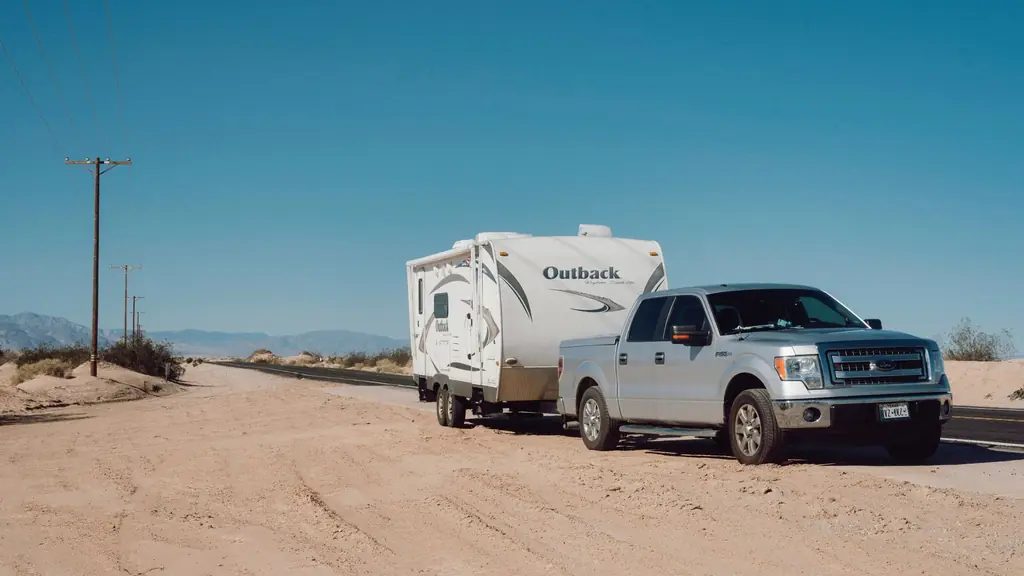
Towing changes almost everything about how an electric car behaves. The car still pulls smoothly and quietly, and the instant torque of an electric motor can make a loaded trailer feel easier to move than many drivers expect. The real challenge is not pulling power. It is range, charging stops and staying inside the legal and physical limits for your car, your trailer and your licence.
This guide explains towing capacity in plain language, why range drops when you tow, how to plan charging with a trailer attached, and which checks matter before you buy an EV for towing or hitch a trailer to the one you already own. If you are still deciding whether an electric car suits your life, start with our overview in Electric Cars Explained, A Complete Beginner Guide to Buying and Owning an EV and then come back here for the towing detail.
What Towing Capacity Really Means
Towing capacity is the maximum weight your car is rated to tow, and it is set by the manufacturer after testing the brakes, cooling, chassis, suspension and drivetrain. It is not a suggestion and it is not a number you can safely exceed because the car feels strong enough. The figure in the handbook or on the vehicle plate is the limit for that exact version of the car, including its motor, battery size and trim. Two cars that look identical can have different towing ratings.
You also need to understand the difference between a braked trailer and an unbraked trailer. A braked trailer has its own brakes and is rated much higher. An unbraked trailer relies entirely on the car to stop it, so its limit is far lower, often a few hundred kilograms. Most caravans, boat trailers and large box trailers are braked, while small garden trailers and light utility trailers are often unbraked. Check both figures before you assume a trailer is suitable.
Nose weight matters just as much as total trailer weight. Nose weight is the downward force the trailer coupling puts on the tow ball, and every car has a maximum for it. Too little nose weight makes the trailer sway. Too much overloads the rear suspension and steering. Load the trailer so that heavier items sit low and slightly forward of the axle, then check the nose weight with a gauge if you tow regularly.
How Much Range Do You Lose When Towing
Towing increases energy use a lot. A trailer adds weight, rolling resistance and, most importantly, aerodynamic drag. A tall caravan or a boxy trailer pushes far more air than the car alone, so the motor works harder at motorway speed. Many drivers find that range falls by a third to a half when towing a large trailer, although the exact drop depends on trailer size, shape, weight, speed, wind and hills.
Speed is the biggest factor you can control. Driving a little slower on a towing trip can save a surprising amount of energy, because drag rises sharply as speed rises. Keeping a steady speed, looking far ahead to avoid harsh braking and acceleration, and using the car eco or towing mode if one is provided all help. Plan your range on a cautious estimate, not on the best case you have seen on a calm day with no trailer.
Regenerative braking still works while towing, and it can recover energy on downhill stretches and when slowing for junctions. It does not cancel out the extra drag, and it should never be relied on to hold a heavy trailer on a long descent. Use the car brakes and the trailer brakes as designed, and keep a longer following distance so you have time to slow smoothly.
What To Check Before You Buy An EV For Towing
Start with the numbers. Confirm the braked towing capacity, the unbraked capacity, the maximum nose weight and the gross train weight, which is the combined maximum for car, passengers, luggage and trailer. Make sure your usual trailer, loaded as you normally travel, fits inside all of those limits with margin to spare. Then check the charging speed, because a car that charges quickly will make towing trips far less tiring.
Look at the car size and wheelbase too. A longer wheelbase generally gives a more settled towing feel, and a heavier car often feels more planted with a trailer behind it. Check rear visibility, mirror size and whether towing mirrors are available. Ask about trailer mode in the car settings, and whether it adjusts the range estimate, the rear sensors and the blind spot monitoring when a trailer is connected.
Towing also connects to wider safety questions, from battery protection to crash structure and driver assistance. Our guide in EV Safety Explained, Batteries, Crashes and Everyday Risks explains those topics in plain language and is worth reading before you commit to a car that will regularly pull a heavy load.
Everyday Towing Costs And Practical Extras
Towing increases running costs in two ways. Energy use rises, so each mile costs more in electricity, and tyres and brakes wear faster under the extra load. Budget for more frequent tyre checks and for replacing trailer tyres that age even when they look fine, because trailer tyres often fail from age and sunlight rather than tread wear. Keep the trailer serviced, including bearings, brakes and lights, and store it so the tyres are not sitting in standing water.
A few accessories make towing much easier. Towing mirrors, a nose weight gauge, a quality safety chain, wheel chocks, a spare wheel for the trailer and a proper storage cover all earn their place. For longer trips, a portable tyre inflator and a torque wrench for wheel nuts are useful, and a small set of spares for lights and fuses can save a day. Our roundup in EV Accessories Worth Buying, Practical Add Ons for Everyday Use covers the extras that are genuinely useful and the ones you can skip.
Conclusion
An electric car can be a strong towing vehicle when you choose the right car, respect its limits and plan charging with a trailer in mind. Check the braked rating, the nose weight and the gross train weight before you buy, expect a large range drop with a tall or heavy trailer, and plan shorter legs with backup chargers. Load the trailer well, check it before every trip and drive smoothly. Do that, and towing with an EV becomes a normal part of driving rather than a source of stress.
Can all electric cars tow a trailer
No, some EVs have a towing rating of zero and are not approved to tow at all, while others are rated for light trailers only. Always check the braked towing capacity for the exact version of the car before you buy or fit a tow bar.
How much range will I lose when towing with an EV
Range often falls by a third to a half with a large trailer, mainly because of aerodynamic drag and extra weight. The drop depends on trailer size and shape, speed, wind and hills, so plan on a cautious estimate and keep a charging buffer.
Can I use a normal public charger with a trailer attached
Sometimes, but many charging bays are too tight for a car plus trailer. Look for drive through bays or a large car park nearby, and be ready to unhitch safely if the layout does not allow you to charge with the trailer attached.
What is nose weight and why does it matter
Nose weight is the downward force the trailer puts on the tow ball. Too little causes sway and too much overloads the rear suspension, so load heavy items low and slightly forward of the axle and check the figure against the car limit.
