

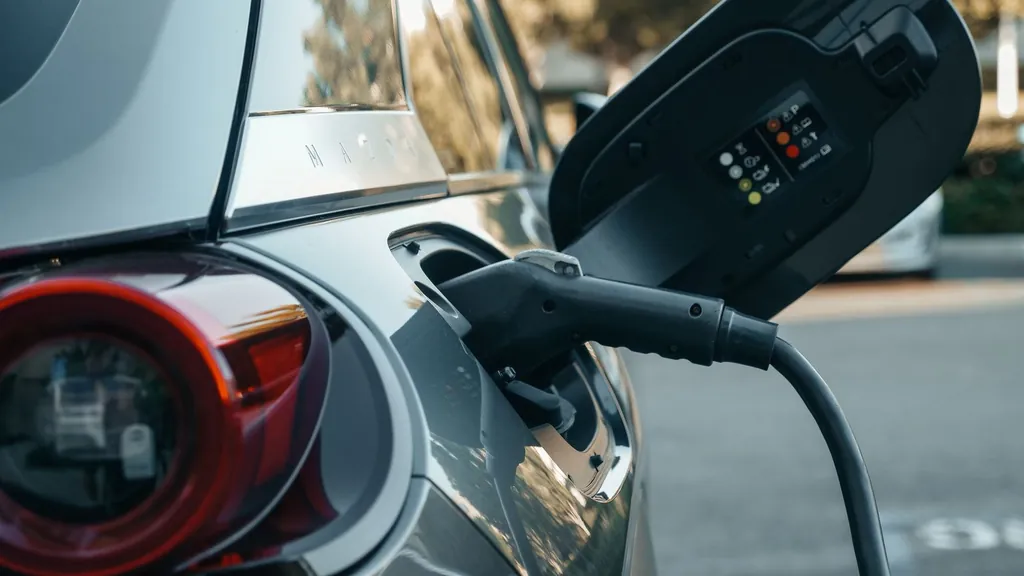
Fast charging is one of the best features of a modern electric car, and one of the most worried about. The idea is simple. Plug into a rapid charger and add a large amount of range in the time it takes to buy a coffee. The worry is equally simple. Pushing that much power into a battery must wear it out faster, and a worn battery means less range and a lower resale value. Both the promise and the fear are real, but the balance between them is more reassuring than most drivers expect. This guide looks at what fast charging does to a battery, what the evidence actually shows, and how to use fast chargers without shortening your battery life.
What fast charging does inside the battery
To understand the risk, it helps to know what happens inside a cell during fast charging. Charging moves lithium ions from one side of the cell to the other, and the faster you charge, the faster those ions have to move. At very high speeds, some ions can fail to slot neatly into the electrode and instead form a thin layer of metallic lithium on the surface, a process known as plating. That layer traps lithium that can no longer take part in charging, which reduces capacity over time. Heat is the other factor. Fast charging generates more heat than slow charging, and heat accelerates the chemical ageing of the cell. Battery makers know this, which is why every EV has a battery management system that controls the charging speed, cools the pack, and protects the cells.
The car itself is the first line of defence. When you plug into a fast charger, the car does not simply accept the maximum power. It checks the battery temperature, the state of charge, and the health of the cells, then asks for a speed it can handle safely. That is why fast charging is quickest when the battery is warm and partly charged, and slows down as the battery fills. In cold weather, the car may charge slowly at first until the battery warms up. This is not a fault. It is the battery management system doing its job, and it is the reason that fast charging is far safer for modern batteries than many drivers assume.
What the evidence actually shows
The evidence comes from two places, laboratory tests and real cars on real roads. Laboratory tests show that frequent fast charging at high power does cause faster degradation than slow charging, but the difference is smaller than the early warnings suggested, and it depends heavily on temperature and charging habits. A battery that is fast charged in a hot climate, to full, every day, will age faster than one that is fast charged occasionally in moderate weather. Real world data tells a similar story. Studies of large numbers of EVs have found that cars charged mostly at fast chargers show a little more degradation than cars charged mostly at home, but the gap is modest, and most cars still retain the large majority of their original capacity after years of use.
The honest summary is that fast charging is not free, but it is not ruinous either. The effect is real and measurable, yet it is one factor among many, alongside heat, high states of charge, and age. A driver who fast charges a few times a month on long trips is unlikely to notice any difference. A driver who fast charges every day, in hot weather, to full, will see faster wear, but that pattern is rare. Battery warranties also cover excessive degradation, which gives owners a safety net. If you want the full picture of how EV batteries age, our Electric Cars Explained, A Complete Beginner Guide to Buying and Owning an EV explains battery life and warranties in detail.
How to fast charge wisely
A few simple habits keep fast charging as gentle as possible. First, use home or workplace charging for your daily needs, and save fast charging for long trips. Slow charging is gentler on the battery, cheaper, and more convenient when the car is parked for hours anyway. Second, when you do fast charge, stop at around eighty percent rather than charging to full, because the last part of the charge is the slowest and the most stressful for the cells. Third, avoid fast charging a very cold battery if you can. Drive for a while first, or use the car battery preconditioning feature on the way to the charger, so the battery is warm and ready to accept power.
Fourth, do not leave the car sitting at a very high or very low state of charge for long periods. A battery stored at full charge in hot weather ages faster than one stored at a middle level. If you fast charge to full before a long trip, drive soon afterwards rather than leaving the car parked for days. Fifth, pay attention to software updates, because car makers regularly improve charging strategies and battery management. Our guide on EV Charging Speeds Explained, Kilowatts, AC and DC in Plain Language explains the different charger types and speeds, so you can choose the right charger for each stop instead of always using the fastest one available.
When fast charging is the right choice
Fast charging exists for a reason, and avoiding it entirely would be a mistake. Long journeys, unexpected trips, and days when home charging is not available are exactly what rapid chargers are for. The small extra wear from an occasional fast charge is a fair price for the freedom to travel anywhere without planning your life around a slow charger. Drivers who cannot charge at home, such as those in apartments, rely on fast charging more often, and for them the convenience is worth the trade off. Our guide on Charging an EV at Work, Options, Costs and How to Ask covers another useful option for drivers without home charging, since workplace charging can reduce the need for fast charging during the week.
The decision is ultimately about balance. Home charging covers daily driving, fast charging covers the exceptions, and the battery is designed to handle both. Battery technology keeps improving, with better thermal management, smarter charging curves, and chemistries that tolerate fast charging better than early designs. The fear that fast charging will ruin a battery comes from the early days of EVs, when batteries were smaller, cooling was simpler, and management systems were less capable. Modern cars are far better protected, and the evidence reflects that.
Conclusion
Fast charging does add a little extra wear to an EV battery, but the effect is modest, the car protects itself, and the evidence from real cars is reassuring. Use slow charging for daily needs, fast charging for long trips, stop around eighty percent when you can, and avoid charging a cold battery at full speed. Do those things, and your battery will serve you well for many years. Fast charging is a tool, not a threat, and used wisely, it is one of the things that makes electric driving practical for everyone.
Does fast charging damage an EV battery
A little, but less than many drivers fear. Frequent fast charging causes slightly faster degradation than slow charging, yet most cars retain the large majority of their capacity after years of use.
Should I avoid fast charging completely
No. Fast charging is designed for long trips and days when home charging is not available. Use slow charging daily and fast charging when you need it.
Why should I stop fast charging at eighty percent
Charging slows down as the battery fills, and the last part is the most stressful for the cells. Stopping around eighty percent saves time and is gentler on the battery.
Is it bad to fast charge a cold battery
It is slower and less efficient, because the car limits power until the battery warms up. Drive first or use battery preconditioning on the way to the charger.
