

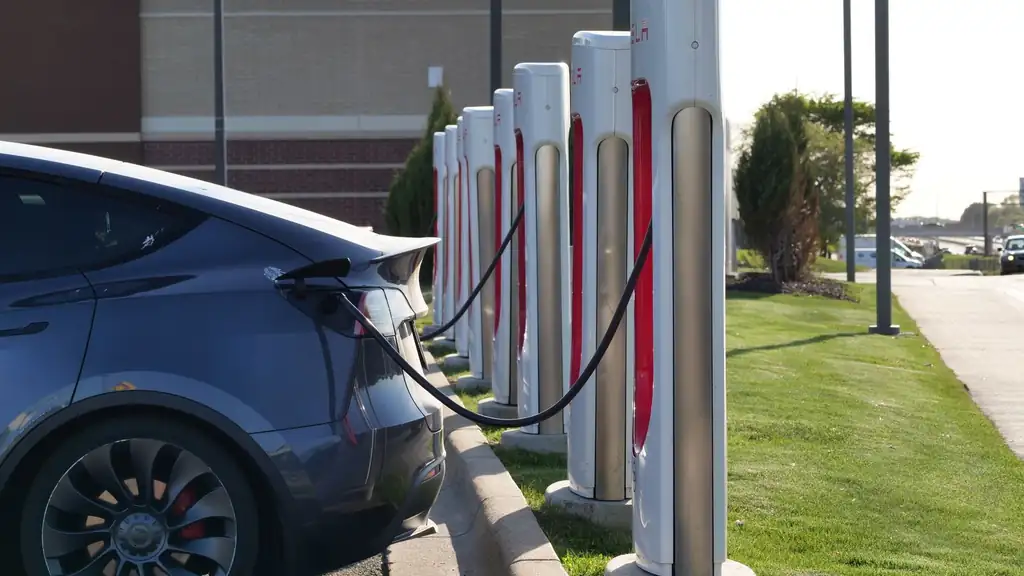
Public charging is one of the few parts of driving where your behaviour directly affects strangers. A charger is a shared resource, and when one driver blocks it, parks in the space without charging, or leaves a car plugged in for hours after it is full, every other driver pays the price. Most of the frustration at public chargers comes not from broken equipment or slow speeds, but from simple discourtesy. The rules below are unwritten, but they are widely understood among experienced EV drivers, and following them makes charging smoother for everyone, including you. If you are new to electric cars, learning the etiquette now will save you awkward moments later.
Move when you are done
The first rule is the most important one. When your car has finished charging, move it. A charging space is not a parking space, and leaving a full car plugged in blocks the next driver for no reason. Most cars and charging apps will tell you when charging is complete, so set a notification and come back promptly. At a busy fast charger, the expectation is even clearer. Charge to the level you need, usually enough to reach your next stop with a comfortable margin, and then leave. Charging from a high level to full is slow anyway, because the car reduces the speed as the battery fills, so staying for those last few percent costs you time and blocks someone else.
At a slower charger in a car park, the rules are a little more relaxed, because the charger is designed for longer stays. Even there, do not leave the car plugged in all day when it finished hours ago, especially if the car park is busy. If you know you will be away for a long time, use a charger that fits your stay, and leave the faster chargers for drivers who need a quick top up. A small habit that helps is to leave a note on your dashboard with the time you expect to return, so another driver knows whether it is worth waiting. It costs you nothing and it prevents frustration.
Only use a charging space to charge
Parking in a charging space without plugging in is the fastest way to annoy other EV drivers. It is known as being ICED when a petrol car does it, and the same idea applies to an EV that is parked but not charging. If the charger is free and you need a charge, use the space. If you do not need a charge, park elsewhere, even if the charging space is the closest one to the door. The same applies to disabled bays and family spaces, which are there for people who need them. Charging spaces are not a perk for EV drivers, they are a service, and treating them as ordinary parking defeats the purpose.
Check that the charger is actually working before you settle in. A charger with a fault light, a damaged cable, or a screen that will not respond is not going to charge your car, and plugging in anyway only wastes your time. If you find a broken charger, report it through the app or the number on the unit, because the next driver will benefit. Also be careful with the cable. Do not stretch it across a walkway where someone can trip, do not let it drag on the ground where it can be damaged, and return it neatly to its holder when you finish. A cable left in a puddle or across a path is a hazard and a sign of carelessness.
Queue fairly and share the power
At a busy charging site, a queue can form, and how you handle it matters. If you arrive and all chargers are in use, wait in an obvious place and make it clear you are next, rather than hovering behind a car that is about to leave. Talk to the other waiting drivers if you can, because a short conversation usually sorts out the order faster than silent staring. Do not try to jump the queue by plugging in the moment a car leaves if someone was clearly waiting. The few minutes you save are not worth the argument, and charging sites are small communities where a reputation follows you.
Some chargers share power between two cars, which means plugging in next to another car can slow both of you down. If a site has a choice of chargers, and one is already in use, pick a charger on a different power unit when you can. The layout is not always obvious, so look for signs or ask another driver. Fast charging also has its own etiquette around battery wear. Frequent fast charging is convenient, but it can affect the battery over time, and our Fast Charging and Battery Wear, What the Evidence Actually Says explains the trade off honestly. Our EV Charging Speeds Explained, Kilowatts, AC and DC in Plain Language explains the different charger types, which helps you pick the right one instead of blocking a fast charger with a slow session.
Be kind to the next driver
Small courtesies add up at a charging site. If you see a driver struggling with an unfamiliar charger, offer a hand, because every EV driver was a beginner once. If you are leaving a charger and another driver is waiting, a wave or a nod makes the handover smoother. Keep the area tidy, take your rubbish with you, and do not block the access road while you wait. If you are charging at a business, such as a supermarket or a hotel, remember that the charger is there for customers, so use the service while you charge and respect any time limits. These are small things, but they are the difference between a charging network that works well and one that feels hostile.
The same manners apply at home and at work. If you share a charger with neighbours or colleagues, agree on a simple rota or a booking system before there is a conflict, not after. Move your car when it is done, keep the cable tidy, and report faults quickly. If you are learning the basics of EV ownership, our Electric Cars Explained, A Complete Beginner Guide to Buying and Owning an EV covers charging, range, and costs in one place, and it will help you understand why the etiquette matters. A charging network is only as good as the drivers who use it, and good manners are the cheapest way to improve it.
Conclusion
EV charging etiquette comes down to one idea, treat the charger as if someone else is waiting for it, because someone usually is. Move when you are done, only use a charging space to charge, queue fairly, and be kind to the next driver. These rules are not written on the charger, but they are what keep public charging working for everyone. Follow them, and you will rarely have a bad experience at a charger. Ignore them, and you become the reason someone else has one.
How long should I stay at a fast charger
Charge to the level you need for your next stop, then move. Staying for the last few percent is slow and blocks the next driver. Set a notification so you know when charging is done.
Is it rude to park in a charging space without charging
Yes. A charging space is not a parking space. If you do not need a charge, park elsewhere, even if the charging space is closer to the door.
What should I do if all chargers are busy
Wait in an obvious place and make it clear you are next. Talk to other waiting drivers to agree the order, and do not jump the queue when a charger frees up.
Should I leave a note on my car while charging
It helps. A note with your expected return time lets another driver decide whether to wait. It costs nothing and prevents frustration at busy sites.
