

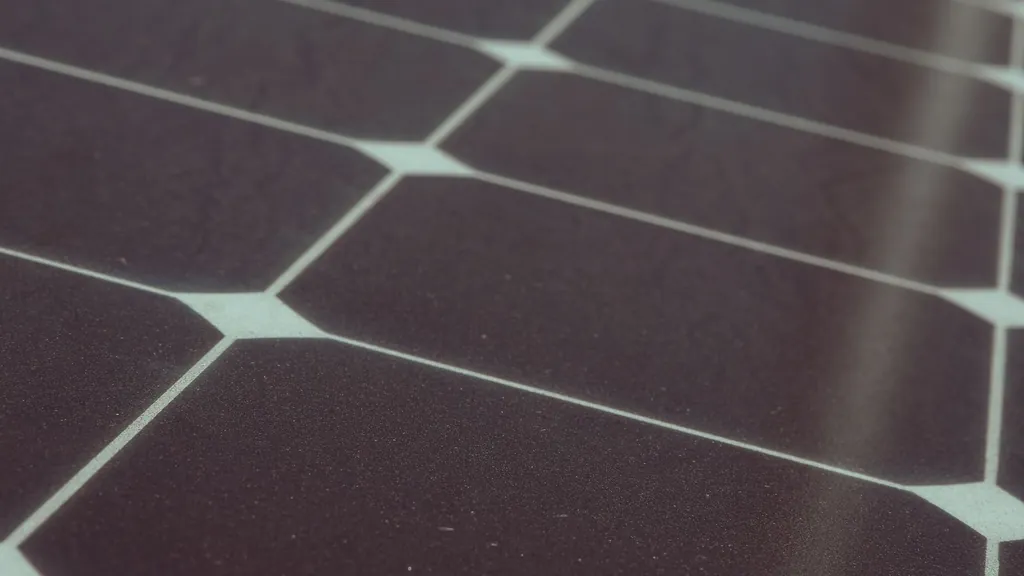
Solar panels on the roof and an electric car in the driveway are a natural pair. The panels make electricity, the car uses electricity, and putting the two together can cut both your fuel bill and your home energy bill at the same time. It sounds like free driving, and in the right home, on a sunny day, it comes close. Yet the details matter. Solar panels only produce power when the sun shines, most people charge at night, and the cost of the panels has to be weighed against the savings. This guide explains how solar and EV charging work together, what equipment you need, and how to decide whether the combination makes sense for your home.
How solar charging works
Solar panels convert sunlight into direct current electricity, and an inverter changes it into the alternating current your home uses. When your EV is plugged in during the day, it can use that solar power directly, either through a standard home charger or through a smart charger that talks to the solar system. If the panels produce more power than the house and the car need, the extra electricity usually flows back to the grid, and in many places you receive a payment or a credit for it. At night, when the panels produce nothing, the car charges from the grid as normal. The sun does not have to cover all your charging to be useful. Even covering part of it saves money.
What equipment you need
A basic setup needs three things, solar panels, an inverter, and a home EV charger. The panels go on the roof, ideally facing the sun for as much of the day as possible, and the inverter sits near your electrical panel. A standard home charger will work, and it will simply draw power from the house, which includes solar power when it is available. A smart charger does more. It can monitor how much solar power the panels are producing and adjust the charging speed to match, so the car uses solar energy first and grid energy only when needed. Some smart chargers can also be set to charge only from surplus solar, which means the car charges only when the panels are producing more than the house needs.
A home battery is the optional fourth piece. It stores solar power during the day and releases it in the evening, so you can charge the car at night from sunshine collected earlier. A home battery adds cost, and the savings have to be weighed against that cost, but it makes solar charging work for drivers who are away during the day. It also provides backup power during outages, which is a benefit beyond EV charging. Get quotes for the full system from more than one installer, and ask each one to estimate your annual solar charging in plain figures, so you can compare them fairly. If you are still learning the basics of home charging, our Electric Cars Explained, A Complete Beginner Guide to Buying and Owning an EV covers chargers, speeds, and costs.
How much you can actually save
The savings depend on your electricity price, your solar output, and how much of your charging the sun covers. Electricity from your own roof is almost always cheaper than electricity from the grid, because you have already paid for the panels, and the running cost is close to zero. The more of your driving you cover with solar, the more you save. A household that charges mostly during the day can cut its charging cost sharply, while a household that charges only at night will save less, unless it has a battery. The panels also reduce your home electricity bill, which adds to the total saving, so the EV and the house should be counted together, not separately.
Smart charging and tariffs
You do not need solar panels to charge cheaply. Many energy providers offer tariffs with low prices at night, when demand is low, and charging on those hours can be almost as cheap as solar. A smart charger or a car with scheduled charging can start automatically at the cheap time, so you wake up to a full battery at the lowest price. Combining a cheap night tariff with daytime solar gives you the best of both, since you charge from the sun when it shines and from cheap grid power when it does not. Ask your energy provider what EV tariffs are available, and check whether they require a smart meter or a specific charger.
Good charging habits matter whether you have solar or not. Charging at home is almost always cheaper than public charging, and a regular routine keeps the cost low. If you share chargers with neighbours or use shared building chargers, the rules of fair use matter too, and our EV Charging Etiquette, The Unwritten Rules Every Driver Should Know covers how to share well. Fast charging is convenient on long trips, but it costs more and can affect the battery over time, and our Fast Charging and Battery Wear, What the Evidence Actually Says explains the trade off in detail. Solar, smart tariffs, and good habits together make EV charging as cheap as it can be.
Is solar right for your home
Solar works best on a home with a suitable roof, good sun exposure, and a car that is parked at home during the day, or a battery to store the power. It works less well on a heavily shaded roof, a rented home where you cannot install panels, or a flat with no roof of your own. If you rent, or live in an apartment, talk to your landlord or building manager about shared solar, which some buildings are now installing to feed communal chargers. Even without solar, an EV is still cheaper to run than a petrol car in most places, so the absence of panels is not a reason to avoid going electric. Solar is a bonus, not a requirement.
Conclusion
Home solar and EV charging are a strong combination when the pieces fit together. Panels produce cheap power, a smart charger directs it to the car, and a battery can store it for the night. The savings are real, but they depend on your roof, your sunshine, your electricity price, and when your car is at home. Get honest quotes, work out the payback time, and consider cheap night tariffs alongside solar. Whether or not you have panels, home charging is the cheapest way to run an EV, and solar simply makes a good deal better.
Can I charge my EV directly from solar panels
Yes, if the car is plugged in while the sun is shining. A smart charger can match charging speed to solar output, so the car uses solar power first and grid power only when needed.
Do I need a home battery to charge from solar
No, but it helps if you are away during the day. A home battery stores daytime solar power so you can charge at night. Without one, you charge from the grid at night.
How long do solar panels take to pay for themselves
It varies by place, sunshine, electricity prices, and installation cost. Work out the payback time by dividing the total cost by the annual saving, and get the estimate in writing.
Is solar worth it if I charge my EV at night
It can still help, because the panels cut your home electricity bill and a home battery can store solar power for night charging. A cheap night tariff may be a simpler option.
