

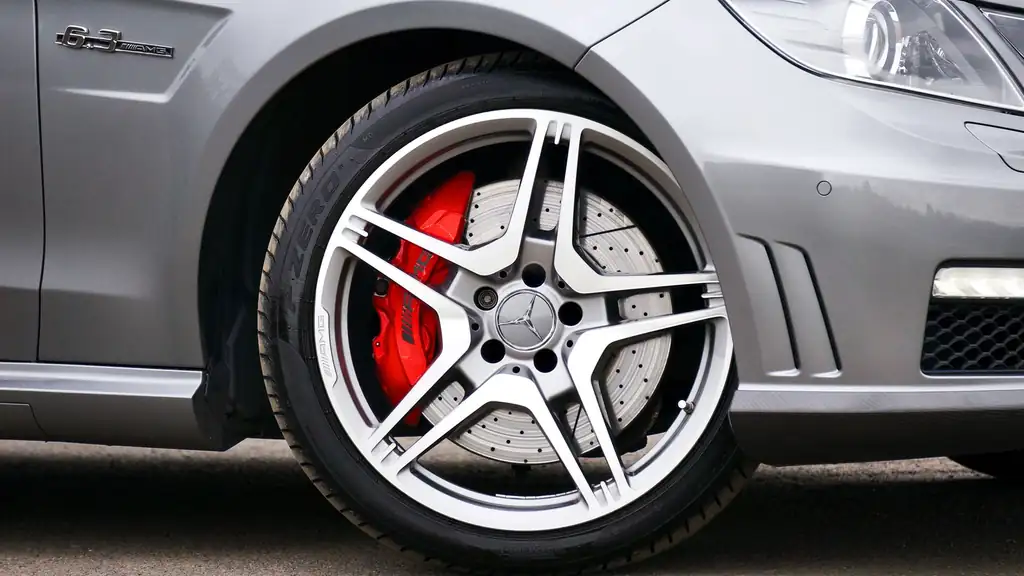
Tyres are the most overlooked running cost of electric car ownership. Many new EV drivers expect their tyres to last as long as the ones on their old petrol car, then get a surprise at the first replacement. Electric cars are heavier than petrol equivalents, because batteries are heavy, and they deliver instant torque that puts more strain on the rubber every time you accelerate. The result is faster wear, especially on the driven wheels, and a bigger bill when replacement time comes. Tyres also affect range, grip, noise, and safety, so choosing the right ones matters more on an EV than on most cars. This guide explains why EV tyres wear faster, how to make them last longer, and how to choose the right set.
Why EV tyres wear faster
Weight is the first reason. A battery pack adds a large amount of mass low in the car, and that weight presses down on the tyres at all times. Heavier cars wear tyres faster, and the effect is noticeable over tens of thousands of miles. Torque is the second reason. An electric motor delivers its full pulling power the moment you press the accelerator, with no build up. That instant force scrubs rubber from the tread, especially during hard acceleration from a standstill or out of a junction. A petrol car builds power gradually, which is gentler on the tyres. The two effects combine, and many EV drivers find their first set of tyres wears out sooner than they expected.
What makes a tyre right for an EV
Tyre makers now produce tyres designed specifically for electric cars, and they differ from standard tyres in a few important ways. The rubber compound is tuned to handle higher loads and higher torque without wearing out quickly. The structure is reinforced to carry the extra weight of the battery. Many EV tyres also have a foam layer inside that reduces road noise, which matters more in an EV because there is no engine sound to mask it. The tread pattern is often designed for low rolling resistance, which helps range, since a tyre that rolls more easily needs less energy to keep the car moving.
Load rating is the number to check first. Every tyre has a load index, which shows the maximum weight it can safely carry. An EV needs a tyre with a load rating that matches or exceeds the car maker recommendation, and fitting a tyre with too low a rating is unsafe. Your car manual or the sticker inside the driver door will list the correct size and load rating. Speed rating matters too, though most drivers will never approach it. When you buy, tell the tyre shop that the car is electric, so they fit a tyre rated for the weight and torque. A good EV tyre costs more than a budget tyre, but it lasts longer and keeps the car safer, which makes it better value over time.
How to make your tyres last longer
Rotation is the second habit that pays. Swapping the front and rear tyres at regular intervals evens out the wear, because the driven wheels wear faster than the others. Your car manual will suggest an interval, and many tyre shops will rotate them when they fit new tyres or during a service. Wheel alignment matters too. A car that pulls to one side, or tyres that wear unevenly across the tread, are signs that the alignment needs checking. Hitting a pothole or a kerb can knock it out, and driving with bad alignment wears tyres quickly and wastes energy. For the wider picture of EV running costs, our EV Running Costs Versus Petrol, A Full Cost Comparison puts tyres in context alongside charging, servicing, and tax.
Choosing between tyre types
Budget is the other question. Premium tyres from well known makers usually last longer, grip better in the wet, and roll more efficiently than the cheapest options. On an EV, that efficiency translates directly into range, so a cheap tyre that adds rolling resistance can cost you distance on every trip. That said, a mid priced tyre from a reputable maker is often the best value, offering most of the performance of a premium tyre at a lower price. Avoid unknown brands with no test data, because a tyre is the only part of the car that touches the road, and grip is not the place to save money. Your battery is the heart of the car, and our EV Battery Life, Degradation and Warranty Explained covers how to protect it, but your tyres are what keep that battery safe on the road.
When to replace your tyres
Replace a tyre when the tread reaches the legal minimum in your area, or sooner if the grip feels poor in the wet. Check the tread depth with a gauge, or use the wear indicator bars moulded into the tread, which become flush with the surface when the tyre is worn out. Also replace a tyre if it has cracks in the sidewall, a bulge, or damage from a pothole, even if the tread looks fine. Age matters too. A tyre that is several years old can harden and lose grip even with plenty of tread left, so check the date code on the sidewall when you buy a used car or when tyres have been fitted for a long time. When in doubt, ask a tyre professional to inspect them.
Replace tyres in pairs at least, on the same axle, so both sides grip equally. Replacing all four at once is ideal when they have worn evenly, and it keeps the handling balanced. Keep the receipt and note the date and mileage, so you can track how long each set lasts and whether a different brand or driving style improves the result. If you are new to electric cars, our Electric Cars Explained, A Complete Beginner Guide to Buying and Owning an EV explains how tyres, range, and running costs fit together, and it is a useful starting point for any new EV owner.
Conclusion
EV tyres work harder than the tyres on a petrol car, because the car is heavier and the torque is instant, but they are not a mystery. Choose tyres with the right load rating, designed for electric cars if you can, keep the pressures correct, rotate them regularly, and drive smoothly. Pick the tyre type that suits your climate, and replace them before the grip fades. Do those things, and your tyres will last longer, your range will improve, and your car will be safer in every season. Tyres are a running cost, not a surprise, and a little attention keeps that cost under control.
Do EV tyres wear out faster than normal tyres
Yes, usually. Electric cars are heavier and deliver instant torque, which wears the tread faster, especially on the driven wheels. Smooth acceleration and correct pressures help them last longer.
Do I need special tyres for an electric car
You need tyres with the correct load rating for your car weight. Tyres designed for EVs also handle higher torque, reduce road noise, and offer low rolling resistance for better range.
How often should I check my EV tyre pressures
At least once a month, when the tyres are cold. Check more often in winter, because cold air reduces pressure. Use the figure in your car manual, not the maximum on the sidewall.
When should I replace my EV tyres
Replace them when the tread reaches the legal minimum, or sooner if wet grip feels poor. Also replace any tyre with sidewall cracks, bulges, or damage, even if the tread looks fine.
