

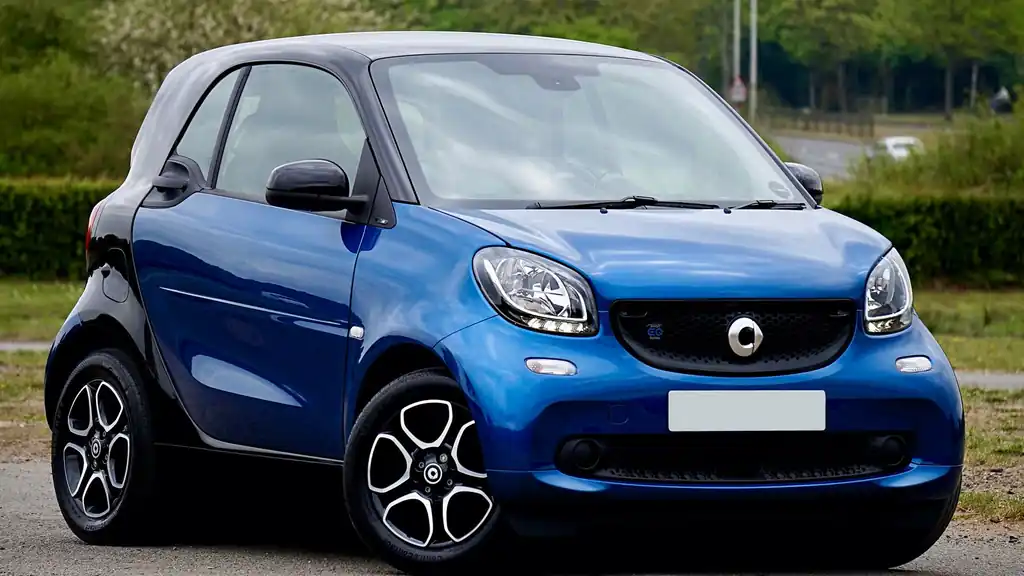
The cheapest electric cars used to feel like a compromise. Early budget models had short range, plain cabins and slow charging, and buyers had to accept all three. That picture has changed. More makers now sell small and mid sized electric cars at prices that sit close to petrol equivalents, and the gap keeps narrowing as battery costs fall. A budget EV today is no longer a car you settle for. For many drivers it is the sensible pick, especially when most trips are short and charging happens at home overnight. The trick is knowing where the savings are real and where a low price hides a weakness that will cost you later.
Budget means different things in different markets, so it helps to think in terms of value rather than a fixed number. A good budget EV is one that covers your normal driving with range to spare, charges at a speed you can live with, and holds up well over years of ownership. The purchase price is only the first line of the bill. Electricity, insurance, tyres and depreciation all shape what the car really costs you. This guide walks through each of those points so you can judge a cheap EV on the full picture, not just the sticker in the window.
What Counts as a Budget EV
There is no single official line that separates a budget EV from the rest of the market. In most countries the cheapest electric cars sit well below the average new car price, and they are usually small hatchbacks or compact crossovers with modest battery sizes. What they share is a focus on essentials. Expect a practical cabin, a clear infotainment screen and the safety equipment that is now standard across the industry, but do not expect luxury trim, huge wheels or the longest range figures on the market. That trade is the whole point. Money goes into the battery, the motor and the basics of a solid car, and the extras that add cost without adding daily usefulness are left out.
Before comparing models, it helps to understand how electric cars work in general, because the basics shape every buying decision. Our guide Electric Cars Explained, A Complete Beginner Guide to Buying and Owning an EV covers batteries, motors, charging and the running costs that make EVs different from petrol cars. With that grounding, the details of a budget model make more sense. You will know why one car charges faster than another, why two cars with similar batteries can have different real world range, and which numbers on a spec sheet actually matter for your daily driving.
Range Expectations at the Lower End of the Market
City driving is where small affordable EVs shine, because stop start traffic suits electric motors and short trips keep charging simple. Our guide to the Best City EVs, Compact, Easy to Park and Cheap to Run looks at why compact electric cars work so well in town, from easy parking to low energy use in traffic. A budget EV used mainly in the city can be the cheapest car to run in your household, and the smaller battery that limits it on motorways is barely a drawback when the daily run is short.
Charging and Running Costs
Running costs are where budget EVs earn their keep. Electricity usually costs less per mile than petrol, and the gap grows when you charge at home on an overnight tariff. Servicing is simpler too, because an electric motor has far fewer moving parts than a petrol engine, with no oil changes, exhaust system or clutch to wear out. Tyres can wear faster on heavier electric cars, so factor that in, but the overall picture is still favourable. Over three or four years, the savings on fuel and maintenance can close much of the price gap with a petrol car, and in some cases erase it entirely.
What to Check Before You Buy
A low price should never stop you checking the car properly. Battery health is the first thing to look at, especially on a used car. Ask for a battery health report, check the warranty terms for the battery and the car separately, and find out what capacity the warranty actually guarantees. Look at real world range reports from owners rather than the official figure alone. Check the charging port type and the maximum charging speed, and confirm the car works with the chargers near your home and on your regular routes. A car that cannot use the fast chargers on your motorway is a poor fit, however cheap it is.
Think about how the car fits your household as a whole, not just your commute. If you need room for children, luggage or a dog, size matters as much as range. Our roundup of the Best EVs by Category, Family City Budget and Long Range groups electric cars by what they are good at, so you can see where budget models sit next to family cars and long range cars. A budget EV that suits a single commuter may frustrate a family, and the right comparison helps you avoid that mistake.
New or Used
A used EV can be the best value of all, because electric cars often lose value faster than petrol cars in their first years, which hurts the first owner and helps the second. A two or three year old budget EV with a healthy battery can cost far less than a new one while still offering years of service. The risk is the battery, so a health check is essential, and a car still inside its battery warranty is worth more than one outside it. A new car brings a full warranty, the latest software and a known history, but you pay for that peace of mind. Weigh the saving against the risk, and do not skip the checks either way.
Features Worth Paying For and Features to Skip
Spend on things that affect daily use. A heat pump improves winter range in cold climates. Good driver assistance makes long drives easier. Fast charging capability matters if you travel far. A solid warranty on the battery matters more than a long list of gadgets. Skip the extras that look good in a showroom and add little on the road. Huge wheels hurt range and cost more to replace. Premium paint and fancy trim add nothing to how the car drives. A panoramic roof is pleasant but heavy and expensive to repair. Put your money where it changes the driving experience, not where it only changes the look.
Conclusion
A budget EV is a practical choice when you buy it with your eyes open. Match the range to your real driving, check the battery and the warranty, work out your charging routine, and judge the car on total cost rather than the sticker price. Do that and a cheap electric car can be the lowest cost way to run a car, as well as a quiet, smooth and pleasant one to drive every day. The cheapest car on the lot is not always the best value, but the right budget EV often is.
Are budget EVs reliable?
Budget EVs use the same basic electric drivetrain as more expensive models, and electric motors have few moving parts. Reliability depends more on the maker and the individual car than on the price, so check owner reports and warranty terms before buying.
How much range does a budget EV need?
Enough to cover your longest normal day with range to spare, plus a margin for cold weather. For many drivers that is a modest figure, because most trips are short and the car charges at home overnight.
Is a used budget EV a good buy?
It can be excellent value if the battery is healthy and some warranty remains. Always get a battery health report and a pre purchase inspection, and compare the saving against the warranty cover you give up.
Do budget EVs cost less to run than petrol cars?
Usually yes, because electricity costs less per mile than petrol and servicing is simpler. The exact saving depends on your electricity tariff, your mileage and whether you can charge at home.
