

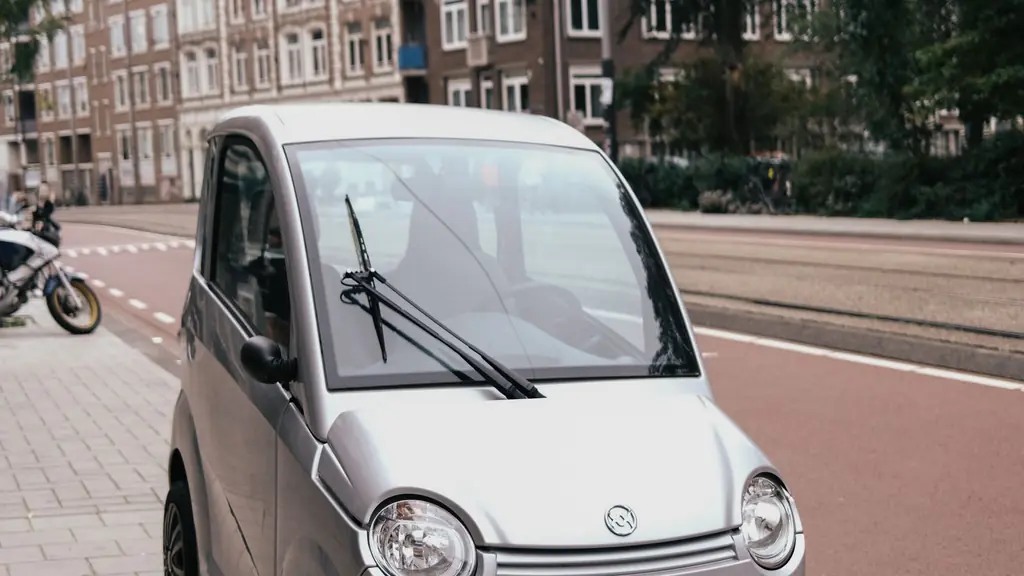
City driving is where electric cars make the most sense, and small EVs are the best of the lot for it. Short trips, low speeds and constant stopping suit an electric motor perfectly, because there is no idling engine burning fuel at every red light. A compact electric car slips through narrow streets, fits into parking spaces that bigger cars cannot use, and costs very little to run each day. For anyone whose driving is mostly urban, a city EV is not a compromise. It is the car that fits the job best.
The mistake many buyers make is shopping for a city car with motorway numbers in mind. A huge battery and a long quoted range matter on long trips, but they add weight, cost and size that a city driver never uses. What matters in town is a small footprint, good visibility, a tight turning circle and enough range to cover a few days of short trips without thinking about it. This guide looks at each of those points in turn, so you can pick a city EV on what it does for you, not on figures that belong to a different kind of driving.
Why Small EVs Suit City Driving
An electric motor delivers its full pulling power from a standstill, which makes a small EV feel quick and responsive at city speeds even when its overall power figure looks modest. There are no gears to change and no delay while an engine builds revs, so pulling away from lights and merging into traffic feels smooth and effortless. Regenerative braking adds to the effect. Lifting off the pedal slows the car and feeds energy back into the battery, which suits stop start traffic and also saves wear on the brake pads. The result is a car that feels lively in town and calm at the same time, with none of the noise and vibration of a small petrol engine working hard.
Size is the other advantage. A compact EV is easy to park, easy to place in narrow lanes, and easy to turn around in a tight street. Many city EVs have a turning circle that larger cars cannot match, which makes three point turns and multi storey car parks far less stressful. If your daily drive involves hunting for parking, a small car saves time every single day. If you are new to electric cars in general, our guide Electric Cars Explained, A Complete Beginner Guide to Buying and Owning an EV explains how batteries, motors and charging work, so the rest of this guide makes sense.
How Much Range a City EV Really Needs
Range anxiety hits city buyers hardest, yet city drivers need the least range of anyone. Most urban trips are short, and the average daily distance in a city is a small fraction of what a modern EV can cover. A car that can run for three or four days of normal city driving on one charge is more than enough when it plugs in at home overnight. The key question is not how far the car can go on a full charge, but how far you actually drive between charges. Write down your real weekly trips before you shop, and you will probably find that even a modest battery covers them with room to spare.
Charging a City EV Without a Driveway
Home charging is the cheapest and easiest way to run an EV, but many city drivers live in flats or houses without a driveway. That does not rule out an electric car, but it does mean you need a plan. On street chargers, lamppost chargers and chargers at supermarkets, gyms and workplaces can all fill the gap. The practical test is simple. Map the chargers within a short walk of your home and your workplace, check that they are the right type for the car you are considering, and work out whether charging once or twice a week fits your routine. If the nearest reliable charger is a long detour away, the car will frustrate you no matter how good it is.
What to Look for in a City EV
Good visibility matters more in a city than on an open road. Thin pillars, a high seating position and a clear rear view make junctions and roundabouts safer. Cameras and parking sensors are worth having, because they turn tight manoeuvres into simple ones. A heat pump is worth seeking out in cold climates, since it heats the cabin more efficiently and protects winter range. Comfortable suspension matters too, because city roads are often rough, and a stiff setup that feels sporty on a test drive can become tiring over broken tarmac and speed bumps.
Think about the car in the context of the whole market before you decide. Our roundup of the Best EVs by Category, Family City Budget and Long Range shows how city cars compare with family cars, budget cars and long range cars, so you can see what you gain and what you give up at each step. A city EV is usually the cheapest electric car to buy and to run, but if your household needs one car to do everything, a slightly larger model may be the better single car choice.
City EVs and Family Life
A small EV can work well for a family with young children if the daily pattern is short trips, school runs and shopping. The boot needs to fit a pushchair or weekly shop, and the rear seats need room for child seats without a struggle. Some compact EVs are surprisingly roomy inside because the flat battery floor frees up cabin space, while others trade rear legroom for a short body. Bring the child seat and the pushchair to the test drive and try them in the car. That single check tells you more than any brochure. If the car passes, a city EV can be a brilliant family runabout, and our guide to EVs for Families, Space, Safety and Everyday Practicality covers the wider questions of space, safety and daily family use.
Running Costs in the City
City running costs are where small EVs really shine. Energy use is low at urban speeds, and regenerative braking recovers energy that a petrol car would waste as heat. Many cities also offer cheaper parking or lower charges for electric cars, though these perks change over time, so check the current rules with the official source before you rely on them. Insurance, tyres and servicing are the other lines of the bill. Small EVs are usually cheaper to insure than large ones, and their tyres are smaller and cheaper to replace. Taken together, a city EV can cost less per mile than any other kind of car.
Conclusion
The best city EV is the one that fits your streets, your parking and your real daily distance. Keep the battery modest, insist on good visibility and easy parking, sort out your charging plan before you buy, and judge the car on how it handles your ordinary week. Do that, and a compact electric car will make city driving cheaper, quieter and easier than the petrol car it replaces.
Are small EVs good for city driving?
Yes, small EVs are ideal for city driving. Short trips, low speeds and stop start traffic suit electric motors, and a compact body makes parking and tight streets much easier.
How much range do I need in a city EV?
Enough to cover several days of normal city trips with a margin for cold weather. Most city drivers cover a modest daily distance, so even a smaller battery is usually plenty.
Can I own a city EV without a driveway?
Yes, if you have reliable chargers near your home or workplace. Map the chargers you would actually use, check they fit the car, and make sure charging once or twice a week suits your routine.
Are city EVs cheap to run?
Usually yes. Energy use is low at city speeds, regenerative braking recovers energy in traffic, and servicing is simple. The exact saving depends on your electricity tariff and charging access.
