

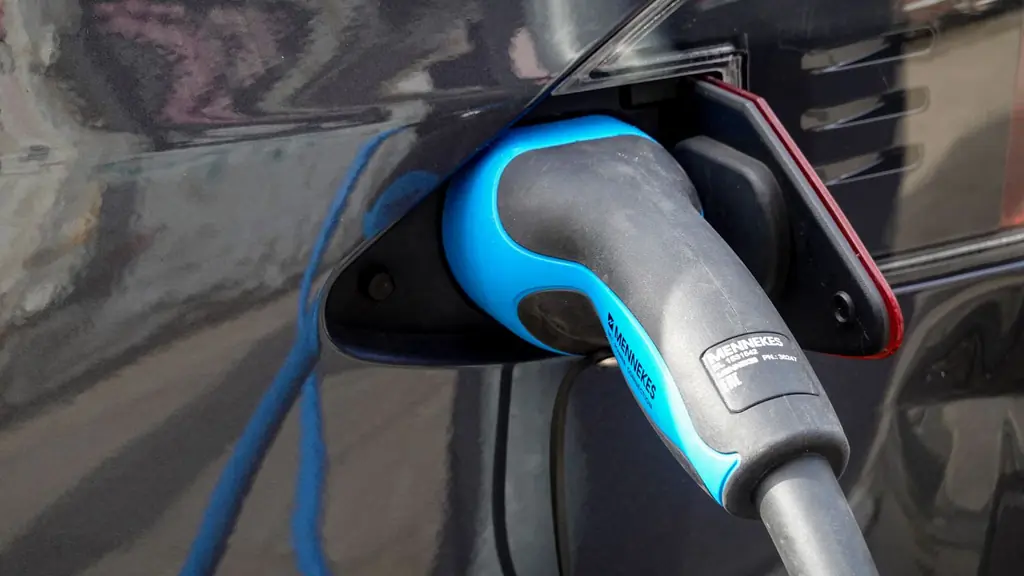
Nothing confuses new EV drivers faster than charging plugs. There are different connectors for slow and fast charging, different plugs in different regions, and cables that are either attached to the charger or carried in the boot. It looks complicated from the outside, but the system is simpler than it seems. Every car has one charging port, and every charger has a connector that either fits it or does not. Once you know which plug your car uses and which plug your local chargers use, the rest falls into place.
This guide explains the main connector types, the difference between AC and DC charging, and the practical details of cables, adapters and charging ports. It is written for drivers, not engineers, so it sticks to what you need to know to charge without stress. If you are still choosing your first electric car, our guide Electric Cars Explained, A Complete Beginner Guide to Buying and Owning an EV covers the wider basics of batteries, range and charging, and this guide fills in the plug and cable detail.
AC and DC Charging in Plain Language
Every EV battery stores direct current, which is known as DC. The electricity grid supplies alternating current, known as AC. That single fact explains the whole charging system. Slow and medium speed chargers supply AC, and the car uses its built in converter to turn it into DC for the battery. Fast chargers supply DC directly, bypassing the converter, which is why they can charge much faster. The connector on the car is shaped to accept one or both types, and the size of the plug tells you which kind of charging it handles.
The Main Connector Types
Connector types vary by region, which is the main source of confusion. In Europe the standard AC connector is known as Type 2, and the fast charging connector adds two large pins below it to form the CCS connector. In North America the common AC connector is known as Type 1, and fast charging has historically used a separate CHAdeMO connector on some cars, while newer cars use the CCS connector or the connector developed by Tesla, now widely adopted across the industry. In parts of Asia, other standards apply. The practical point is that the standard in your region is the one your car and your chargers will use, and cars sold in your market are built to match it.
Adapters exist for some combinations, but they are not a general solution. Some adapters only work for AC charging, some are limited in speed, and some are not approved by the car maker at all. Do not buy an adapter on the assumption that it will solve a mismatch. Check the car maker guidance first, and check that the adapter is rated for the power you plan to use. A cheap adapter used at high power is a safety risk, and a damaged charging port can be an expensive repair.
Tethered and Untethered Cables
Public chargers come in two forms. A tethered charger has a cable permanently attached, so you simply plug the connector into your car. An untethered charger has only a socket, so you need your own cable. Most new EVs come with a cable for untethered AC charging, and it is worth keeping it in the boot. It is the cable you will use at public AC chargers, at many workplace chargers, and at some destination chargers. Fast DC chargers are almost always tethered, because their cables are thick, heavy and liquid cooled, so you never need to carry a DC cable.
When you buy a cable, match it to your car and your region. The connector on the car end must fit your port, the connector on the charger end must fit the socket, and the cable must be rated for the power your car can accept. A cable rated below your car charging speed will limit how fast you charge. Cable length matters too. A longer cable reaches awkwardly placed chargers, but it is heavier and harder to store. A cable of around five metres suits most drivers, and it is worth coiling it properly rather than forcing it into a tight loop, which damages the wires inside over time.
The Charging Port on Your Car
The charging port is usually behind a small flap on the front wing, the rear wing or the nose of the car, and its position affects how you park at a charger. A port at the front suits nose in parking, while a port at the rear suits reversing in. At a public charger, check the cable length before you park, because a short tethered cable may not reach if you park on the wrong side. The port flap should close firmly and keep out water and dirt. If it feels loose or damaged, get it checked, because water in a charging port can cause faults and corrosion.
Finding the Right Charger and Paying
Charging apps make the plug question easy, because they show the connector type at each charger before you arrive. Filter by your connector and your charging speed, and you will only see chargers your car can use. That single habit removes most of the stress of public charging. Our comparison of EV Charging Apps Compared, Finding, Paying and Planning in One Place explains which apps help with finding chargers, planning routes and paying, so you can pick the tools that suit your driving.
Payment methods vary by network. Some chargers take contactless cards, some need an app, and some need an account or a membership card. Keep more than one payment method ready when you travel, because a charger that only accepts one method can leave you stuck. Home charging is simpler, and our Home EV Charging Guide, Charger Types Cost and Installation explains how to set up a home charger, what it costs and which type suits your home.
Looking After Cables and Connectors
Cables and connectors are hard wearing, but they still need basic care. Keep the connector clean and dry, and check it for damage before you plug in. A cracked connector or exposed wiring should not be used. Never leave a cable trailing across a pavement where someone can trip over it, and never drive over a cable. Store the cable in its bag or in a tidy coil, and wipe the connector dry if it has been out in heavy rain. These small habits keep the cable safe and make it last for years.
Conclusion
Charging plugs stop being confusing once you know your own car. Learn which connector your car uses, keep the right cable in the boot, and use an app to filter chargers by plug type before you set off. With those three habits, the cable and connector question disappears into the background, and charging becomes as routine as filling a petrol car ever was.
What charging connector does my EV use?
It depends on your car and your region. In Europe most cars use Type 2 for AC charging and CCS for fast DC charging. Check your car manual or the charging port itself to confirm which connector your car takes.
Do I need to carry a charging cable?
Yes, carry the AC cable that came with your car. You need it at untethered public chargers and many workplace chargers. Fast DC chargers are tethered, so you do not need a cable for those.
Can I use an adapter to fit a different plug?
Some adapters exist, but they are not a general solution. Some only work for AC charging and some are not approved by the car maker. Check the maker guidance and the power rating before using any adapter.
What is the difference between AC and DC charging?
AC charging is slower and is used at home and at work, with the car converting AC to DC. DC fast charging supplies DC directly to the battery and is much faster, which is why it is used on long trips.
