

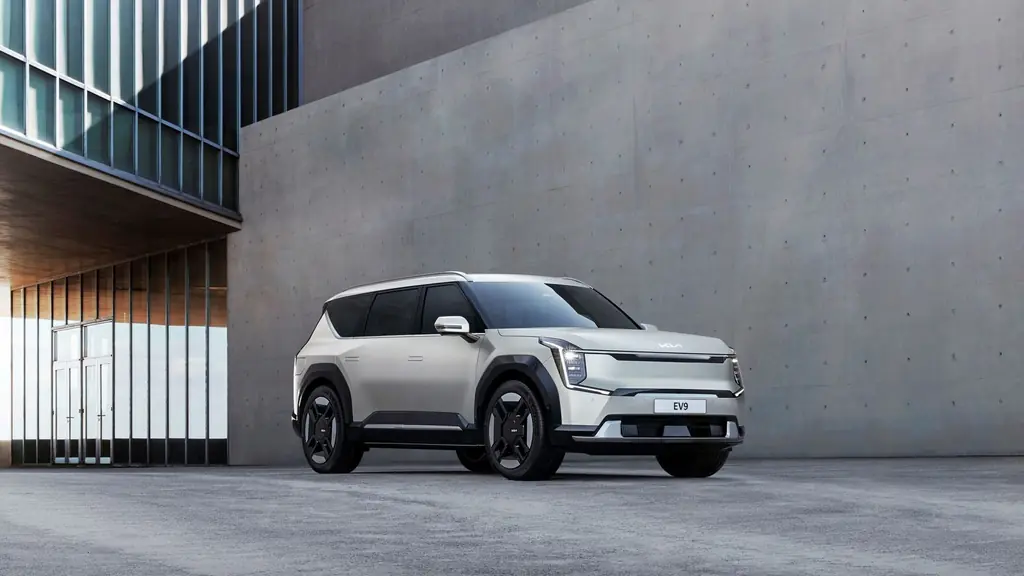
A family car has a harder job than any other car. It carries children, pushchairs, school bags, shopping, sports gear, and sometimes a dog, and it does it every day in all weather. A good family EV has to be roomy, safe, easy to load, and cheap to run, and it has to keep those qualities for years. The good news is that electric cars suit family life well, because they are quiet, smooth, and cheap to charge at home, and many of them have flat floors and generous space inside.
This guide looks at what makes a family EV work, from space and safety to charging, costs, and the practical details that matter on a school run. It does not rank specific models with figures that go out of date, because prices and specifications change often. Instead, it gives you the checklist to judge any family EV fairly. The basics of electric driving are set out in Electric Cars Explained, and this guide builds on them with family life in mind.
Space That Works for a Family
Space is the first test for a family EV, and it is worth checking in person rather than trusting a brochure figure. Sit in the back with a child seat fitted, and check whether an adult can sit beside it without being squeezed. Check the leg room when the front seats are set for tall drivers, because a car that feels roomy in the front can be tight in the back. Open the boot and try the pushchair, the shopping, and the school bags, and see how much room is left after the everyday load is in.
Look at the shape of the space as well as the size. A wide and square boot opening makes loading easier than a narrow one, and a low load lip helps when you lift heavy items in and out. A flat floor in the back gives the middle passenger more foot room, and it makes the car feel wider than it is. Storage for small items matters too, because families carry drinks, snacks, tablets, and charging cables, and a car with good door bins and a useful centre console keeps those items tidy rather than rolling around the cabin.
Safety First for Families
Safety is the part of a family car where compromise is not an option. Look for a car with a strong safety rating from an independent testing body, and check that the rating covers the version you are buying, because equipment can change between versions. Driver assistance features such as automatic emergency braking, lane keeping, and blind spot warning are worth having, because they help in the moments when attention slips, and those moments happen to every driver.
Child seat fitting deserves a real test. Bring your child seats to the showroom and fit them yourself, using the ISOFIX points if your seats use them, and check that the seats sit firmly and that the doors open wide enough to lift a child in and out without strain. Check the rear door child locks and the window controls, and make sure the back seats have enough head room for a growing child in a high backed seat. A car that passes these simple tests will serve your family far better than one that only looks good on paper.
Range and Charging for Family Life
Families need range they can rely on, and that means thinking about real world driving rather than the test figure. A car that covers the school run, the weekly shopping, and a weekend trip without a charging stop will feel effortless, while a car that needs a charge on every longer trip will feel like a chore. Home charging makes the biggest difference here, because a car that charges overnight is full every morning and ready for whatever the day brings.
For longer family trips, a car that charges quickly on a rapid charger will keep stops short, and a car with a useful range will need fewer stops. Plan family trips with a charging stop that works for children, such as a place with food, toilets, and space to stretch, rather than a bare charger in a quiet car park. A charging stop that feels like a break is a pleasure, while a stop that feels like a wait is a frustration. The habit of planning stops around the family, rather than around the car, makes electric trips easier.
Running Costs and Value
Running costs matter more for a family car, because it is used every day and the miles add up. Home charging is usually the cheapest way to run an EV, and it can cost far less than petrol for the same distance, though the exact saving depends on local electricity prices, which change over time and differ by place. Check the current prices where you live rather than trusting a general claim. Servicing is often simpler for an EV, because there is no engine oil or exhaust to maintain, though tyres and brakes still need attention.
Value also means thinking about how long you will keep the car. A family EV that holds its value well will cost less over time, because you get more back when you sell it. Cars with a good safety record, a strong warranty, and a battery that is known to last tend to hold value better. If your budget is tight, the Best Budget EVs guide looks at affordable electric cars worth considering, and it may help you find a family car that fits without stretching the budget too far.
Practical Details That Matter Daily
The details that matter most are often the ones that never appear in a brochure. Sliding rear doors can make a real difference in a tight car park, because they open without swinging into the car next to you. A hands free boot opening helps when your arms are full of shopping and a child. Rear air vents keep children comfortable on a hot day, and sun blinds on the rear windows help them sleep on a long trip. These are small features, but families notice them every day.
Ease of cleaning matters too. A family car gets dirty, and materials that wipe clean will save you time and frustration. Dark interior trim hides marks better than light trim, and removable floor mats make cleaning the back seats far easier. For city driving, a smaller family EV can be easier to park and cheaper to run, and the Best City EVs guide looks at compact electric cars that suit town life. Choose the size that fits your streets and your parking as well as your family.
Conclusion
The best family EV is not the biggest or the most expensive. It is the one that fits your children, your seats, your pushchair, and your weekly routine without fuss, and that keeps your family safe while it does it. Check the space in person, fit your child seats, look at the safety rating, and think about home charging and real world range. Do those checks, and you will find a family electric car that is roomy, safe, and easy to live with for years to come.
What makes a good family EV
A good family EV has room for child seats and luggage, a strong safety rating, easy loading, and a range that covers daily driving with home charging. Practical details such as wide doors and wipe clean materials matter too.
How much range does a family EV need
A family EV needs enough real world range to cover the school run, shopping, and weekend trips without a daily charging stop. Home charging makes this easier, because the car starts each day full.
Are EVs safe for families
EVs can be very safe for families, with strong crash protection and driver assistance features. Check the independent safety rating for the version you are buying, and fit your child seats in person before you decide.
Are family EVs expensive to run
Home charging is usually the cheapest way to run a family EV, and servicing is often simpler because there is no engine oil or exhaust. Check current local electricity prices, because they change over time and differ by place.
