
Charging an EV in an Apartment, Practical Options That Work
The most common advice about electric cars assumes you have a driveway and a wall charger in your garage. For millions of people who live in apartments, that advice is useless, and it puts many of them off going electric before they have even looked at the options. The truth is more encouraging. Apartment dwellers already drive EVs in large numbers, and they manage charging through a mix of workplace charging, public chargers, shared building chargers, and a little planning. It takes more thought than plugging in at home, but it is far from impossible, and for many drivers it works out cheaper than expected. This guide walks through the options that actually work, in order of convenience.
Start with your real charging needs
Before you look for a solution, work out how much charging you actually need. Most drivers cover a modest distance each day, and a modern EV can go several days between charges on normal use. That changes the problem completely. You do not need to charge every night. You need a reliable way to top up once or twice a week, and that is much easier to arrange. Track your driving for two weeks, including weekends, and note the longest single day. If that distance fits comfortably within the range of the car you are considering, then weekly charging is enough, and almost any of the options below will work.
Charging at work and nearby
For many apartment dwellers, workplace charging is the simplest answer. If your employer has chargers, or is willing to install them, your car can charge while you work, and you may never need a home charger at all. Ask your facilities team or your manager what exists and what is planned. Many employers are adding chargers because staff ask for them, and a single request can start the process. If your workplace has no chargers, check the area around it. A public charger near your office, a supermarket, or a gym can cover a weekly top up while you do something else. The key is to match charging with time you are already spending somewhere.
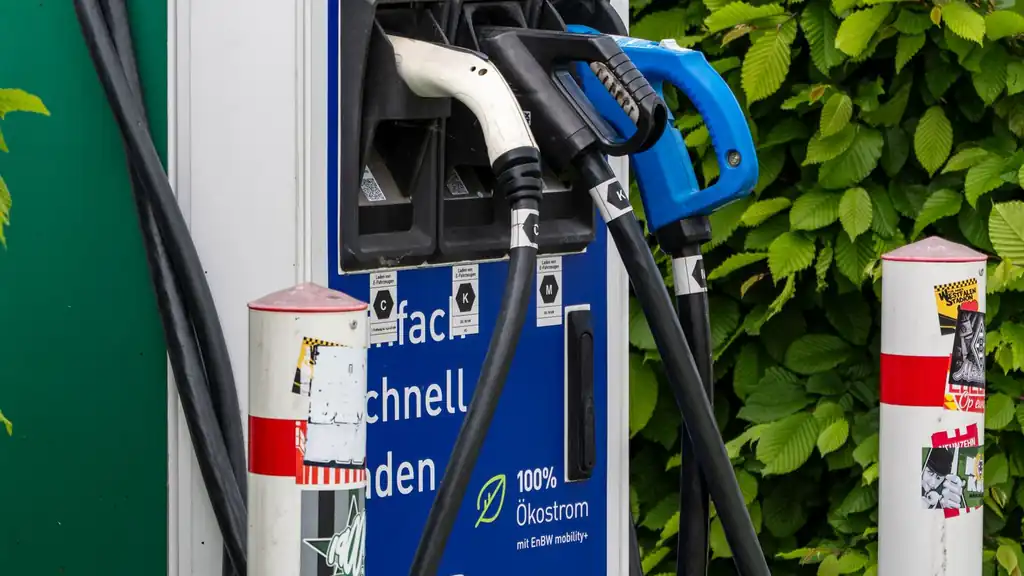
Public charging near home is the next option. Look for chargers within a short walk of your building, ideally ones where you can leave the car for an hour or two rather than a rapid charger you have to wait beside. A regular weekly routine works well for most people, such as charging on a Saturday morning while you shop, or on a weekday evening near a cafe. Charging apps can show you which chargers are free, what they cost, and whether they are working, so check the reviews before you rely on one. A charger that is often broken or often busy is not a reliable plan, no matter how close it is. If you want the wider picture of how public charging works, our Electric Cars Explained, A Complete Beginner Guide to Buying and Owning an EV covers the basics.
Getting a charger in your building
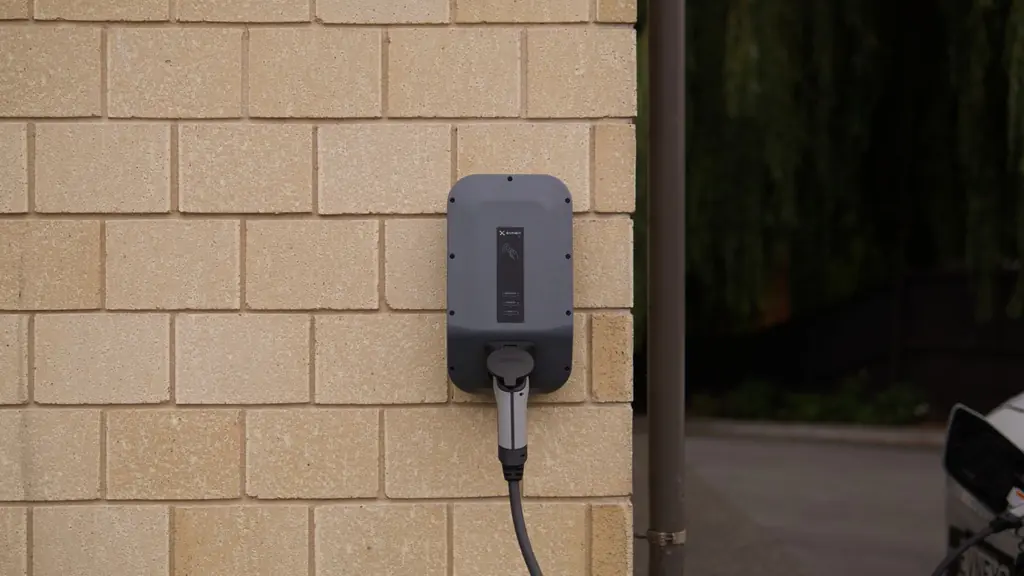
Installing a charger in a shared building takes more effort, but it is becoming more common, and it is often the best long term solution. The first step is to talk to your building manager, owners association, or landlord. Many buildings already have a process for this, because other residents have asked before you. Find out who owns the parking area, who pays for the electricity, and whether the building electrical supply can handle chargers. In some places, owners have a legal right to install a charger in their own parking space, though the details vary, so check the rules for your area before you assume anything.
The practical approach is to propose a simple solution rather than a grand plan. A single wall charger in your allocated space, with a separate meter or a billing system, is easier to approve than a building wide project. Offer to cover the installation cost, and ask the building to consider shared infrastructure that other residents can use later. Some buildings are now installing a few shared chargers in visitor spaces, which works well when several residents drive EVs. Grants for home charger installation exist in some places, and they may cover apartment installations too, so check the official guidance before you pay. Patience helps here. Building decisions move slowly, but a polite, well prepared request is much more likely to succeed than a complaint.
Smart habits that make it work
Once you have a charging routine, a few habits make apartment EV life much smoother. Charge when the car is already parked for a long time, rather than making special trips just to charge. Keep a buffer in the battery, so an unexpected trip or a broken charger never leaves you stuck. Learn the quiet times at your regular chargers, since a charger that is free on a Tuesday evening may be busy on a Saturday. Keep two or three backup chargers in mind, so one failure never ruins your week. These habits become automatic within a month, and most apartment EV drivers say charging stops feeling like a chore once the routine settles.
Solar charging is worth knowing about too, even for apartment dwellers. Some buildings are adding shared solar panels that feed communal chargers, and some energy providers offer tariffs that favour charging at off peak times. Our guide on Home Solar and EV Charging, How the Two Work Together explains the basics, and the principles apply to shared systems as well. Also learn the unwritten rules of shared charging, because a charger in a building car park is a shared resource. Our EV Charging Etiquette, The Unwritten Rules Every Driver Should Know covers how to share fairly, when to move your car, and how to avoid annoying your neighbours. Good etiquette keeps the building on your side, which matters when you need approval for anything else.
When an EV still does not fit
There are situations where an EV is genuinely hard work from an apartment. If you have no allocated parking, no chargers near home or work, and you drive long distances every day, the charging routine may cost more time than it is worth. In that case, a hybrid can be a sensible middle step until the charging network near you improves, which it usually does within a year or two. Be honest about your situation rather than forcing a solution. The charging network is growing fast, and the building that says no today may say yes next year, so check back regularly. What is impractical now may be easy soon.
Conclusion
Charging an EV from an apartment takes planning, but it is a solved problem for most drivers. Work out how much charging you really need, look for workplace and nearby public options, and talk to your building about a charger in your space. Build a simple weekly routine with a backup or two, learn the etiquette of shared charging, and the whole thing becomes background habit within weeks. A driveway is convenient, but it is not a requirement. Thousands of apartment dwellers already drive electric without one, and with a little preparation, you can join them.
Can I own an EV if I live in an apartment
Yes. Many apartment dwellers use workplace charging, nearby public chargers, or a charger installed in their building car park. You do not need a driveway to drive an EV.
How often do apartment EV drivers need to charge
Most need to charge once or twice a week. A modern EV covers several days of normal driving, so daily charging is rarely necessary.
Can I install a charger in my apartment parking space
Often yes, with permission from the building manager or owners association. Some places give owners a legal right to install one. Check the rules for your area first.
What is the best charging option for apartment living
Workplace charging is usually the simplest, followed by a reliable public charger near home or work. A building charger is the best long term option if you can arrange it.